In today’s competitive global market, sourcing products from China has become a popular choice for businesses worldwide. China offers cost-effective manufacturing, large production capacities, and access to countless suppliers. However, finding the right factory is not always easy. This is where a factory audit becomes essential. A factory audit helps businesses verify manufacturers before placing orders, reducing risks and ensuring quality standards.
At Auronix Sourcing, we help businesses conduct reliable factory audits in China to ensure they work with trustworthy and capable suppliers.
Understanding a Factory Audit
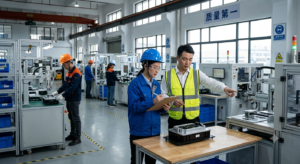
A factory audit is a professional inspection and evaluation of a manufacturing facility. It is conducted before production begins or before entering into a long-term business relationship. The purpose of the audit is to assess whether the factory can meet the buyer’s requirements regarding quality, production capacity, compliance, and ethical standards.
Factory audits provide buyers with detailed information about a supplier’s operations, allowing them to make informed sourcing decisions.
Why Is a Factory Audit Important?
Many suppliers in China operate legitimately, but some may exaggerate their capabilities or fail to meet international standards. Without proper verification, businesses may face problems such as:
- Poor product quality
- Production delays
- Lack of certifications
- Limited manufacturing capacity
- Ethical or labor violations
- Financial losses
A factory audit helps identify these risks before large investments are made. It gives buyers confidence that the supplier can fulfill their requirements.
Types of Factory Audits
1. Quality System Audit
This audit evaluates the factory’s quality management processes. Inspectors examine quality control procedures, testing methods, defect handling, and documentation systems.
2. Social Compliance Audit
A social audit checks working conditions, employee welfare, labor practices, and workplace safety. It ensures the factory complies with local labor laws and international ethical standards.
3. Technical Audit
Technical audits assess the factory’s production capabilities, machinery, engineering expertise, and manufacturing processes.
4. Environmental Audit
Environmental audits evaluate waste management, environmental practices, and compliance with environmental regulations.
5. Security Audit
This type of audit focuses on facility security, inventory protection, and supply chain security procedures.
What Does a Factory Audit Include?
A professional factory audit generally covers several important areas:
Company Verification
Auditors verify the company’s legal registration, business licenses, certifications, and ownership information.
Production Capacity
The audit assesses whether the factory has enough workers, equipment, and production lines to handle the required order volumes.
Quality Management
Inspectors review quality control procedures, inspection methods, testing equipment, and defect management systems.
Factory Facilities
The condition of buildings, warehouses, machinery, and production areas is examined to determine operational efficiency.
Workforce Assessment
Auditors evaluate employee training, skill levels, working hours, and labor conditions.
Compliance and Certifications
Factories are checked for relevant certifications such as ISO standards and industry-specific compliance requirements.
The Factory Audit Process
A factory audit usually follows these steps:
Step 1: Document Review
Auditors collect and verify licenses, certifications, organizational charts, and company records.
Step 2: Factory Inspection
The audit team visits the facility to inspect production lines, warehouses, offices, and equipment.
Step 3: Management Interviews
Factory managers are interviewed to understand production processes, quality systems, and operational capabilities.
Step 4: Employee Interviews
Workers may be interviewed to verify labor conditions and workplace practices.
Step 5: Audit Report
A detailed report is prepared outlining findings, strengths, weaknesses, and recommendations.
Benefits of Conducting a Factory Audit
Reduced Business Risks
Factory audits help identify problems before production begins, minimizing financial and operational risks.
Improved Product Quality
By assessing quality systems, buyers can select manufacturers that maintain consistent product standards.
Better Supplier Selection
Audits help businesses compare suppliers and choose the most suitable manufacturing partner.
Compliance Assurance
Buyers can ensure that factories meet legal, ethical, and industry requirements.
Stronger Business Relationships
Transparency and trust help build long-term partnerships between buyers and suppliers.
When Should You Conduct a Factory Audit?
A factory audit is recommended in the following situations:
- Before placing the first order.
- When changing suppliers.
- Before large production orders.
- When entering long-term partnerships.
- If product quality issues have occurred.
- Before expanding production volumes.
Regular audits are also beneficial for maintaining supplier performance over time.
Why Choose Auronix Sourcing?
At Auronix Sourcing, we understand the challenges of sourcing products from overseas manufacturers. Our experienced team conducts comprehensive factory audits across China to help businesses make confident sourcing decisions.
Our factory audit services include:
- Supplier verification
- Factory capability assessment
- Quality management evaluation
- Production capacity analysis
- Compliance checks
- Detailed audit reports
By working with Auronix Sourcing, businesses gain valuable insights into potential suppliers, reduce sourcing risks, and build stronger supply chain relationships.
Conclusion
A factory audit in China is an essential step for businesses that want to source products safely and efficiently. It provides valuable information about a manufacturer’s capabilities, quality systems, compliance standards, and operational reliability.
Whether you are a startup placing your first order or an established company expanding your supplier network, a factory audit helps protect your investment and ensures successful sourcing outcomes.
Auronix Sourcing offers professional factory audit services that help businesses find trustworthy manufacturers and build reliable supply chains in China.