
Developing a unique product design requires time, creativity, and investment. Whether you’re creating a completely new product or customizing an existing one, protecting your design is essential to maintaining your competitive advantage. Without proper safeguards, your designs may be copied, misused, or shared without your permission.
If you’re manufacturing products in China, taking proactive steps before production begins can help reduce risks and protect your intellectual property. While no strategy can eliminate every risk, combining legal agreements, supplier verification, and careful production management can significantly strengthen your protection.
At Auronix Sourcing, we help businesses work with verified manufacturers, manage confidential product development, coordinate production, and maintain quality control throughout the sourcing process.
This guide explains practical ways to help protect your product designs when sourcing from China.
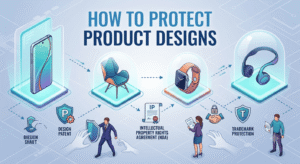
Why Protecting Product Designs Matters
Your product design is part of your business’s intellectual property and brand value.
Protecting your designs can help you:
- Preserve your competitive advantage
- Protect your brand identity
- Reduce the risk of unauthorized copying
- Increase the value of your business
- Build long-term customer trust
- Support future product development
Taking protective measures early is generally easier than resolving disputes after production begins.
Step 1: Document Your Design
Keep organized records of your product development.
Maintain copies of:
- Design sketches
- CAD files
- Technical drawings
- Product specifications
- Prototype photos
- Development timelines
- Design revisions
Well-organized documentation can help establish ownership and simplify communication with manufacturers.
Step 2: Work with Verified Manufacturers
Choosing reliable manufacturing partners is one of the most effective ways to reduce risk.
Before working with a factory, verify:
- Business registration
- Manufacturing capabilities
- Production experience
- Factory location
- Export history
- Industry reputation
Verified manufacturers are generally more reliable partners for long-term business relationships.
Step 3: Use Confidentiality Agreements
Before sharing detailed product information, consider using appropriate confidentiality agreements.
These agreements may help define:
- What information is confidential
- How it may be used
- Restrictions on disclosure
- Responsibilities of each party
A legal professional familiar with the relevant jurisdictions can advise on the most appropriate agreements for your situation.
Step 4: Register Intellectual Property Where Appropriate
Depending on your product and target markets, you may wish to consider registering applicable intellectual property rights.
These may include:
- Trademarks
- Design rights or design patents
- Utility patents (where applicable)
- Copyright (for eligible creative works)
Requirements vary by country, so consult a qualified intellectual property professional for guidance.
Step 5: Share Information Gradually
Avoid providing unnecessary information before a supplier has been evaluated.
As the relationship develops, share only the information needed for each stage of the project.
For example:
- Initial product concept
- Technical specifications
- Branding files
- Manufacturing documentation
Limiting access to sensitive information reduces unnecessary exposure.
Step 6: Clearly Define Ownership
Before production begins, confirm who owns:
- Product designs
- Logos
- Packaging artwork
- Technical drawings
- Tooling (if applicable)
- Product molds (if applicable)
Documenting ownership expectations helps avoid misunderstandings later.
Step 7: Control Branding Assets
Your branding is an important business asset.
Maintain secure control of:
- Logo files
- Packaging artwork
- Product labels
- Marketing materials
- Brand guidelines
Provide manufacturers only with the files required for production.
Step 8: Monitor Production
Stay involved throughout manufacturing.
Monitor:
- Production progress
- Approved product specifications
- Branding implementation
- Packaging development
- Quality standards
Regular oversight helps identify issues before products are shipped.
Step 9: Conduct Quality Inspections
Independent quality inspections help confirm that products match the approved design.
Inspectors can verify:
- Product appearance
- Dimensions
- Materials
- Packaging
- Branding
- Labeling
- Overall workmanship
Consistent inspections help protect product quality and brand reputation.
Step 10: Build Long-Term Manufacturing Relationships
Strong relationships with trusted manufacturers often improve communication and consistency.
Long-term partnerships may provide:
- Better production planning
- More consistent quality
- Improved communication
- Greater operational efficiency
- Increased mutual trust
Reliable partnerships are an important part of protecting your products over time.
Common Mistakes Businesses Make
Many businesses increase their risk by:
- Sharing complete designs before verifying suppliers
- Skipping written agreements
- Failing to document product specifications
- Not registering applicable intellectual property
- Choosing suppliers based only on price
- Skipping production monitoring
- Ignoring quality inspections
Avoiding these mistakes helps strengthen your product development process.
Why Work with Auronix Sourcing?
Protecting product designs involves careful supplier selection, controlled information sharing, and ongoing production management.
At Auronix Sourcing, we help businesses reduce sourcing risks by working only with verified manufacturers and managing the manufacturing process professionally.
Our services include:
- Product sourcing
- Supplier verification
- Factory audits
- Supplier comparison
- Product customization
- Private label manufacturing
- Sample management
- Production monitoring
- Quality inspections
- Packaging verification
- Freight coordination
- Air freight
- Sea freight
- Door-to-door logistics
Our experienced sourcing team helps businesses manage manufacturing relationships while maintaining product quality and supporting secure product development.
Best Practices for Protecting Product Designs
To better protect your products:
- Document your design process thoroughly.
- Verify manufacturers before sharing sensitive information.
- Use appropriate confidentiality agreements.
- Consider registering relevant intellectual property rights.
- Clearly define ownership of designs, branding, tooling, and molds.
- Share confidential information only when necessary.
- Monitor production regularly.
- Conduct independent quality inspections.
- Build long-term relationships with trusted manufacturing partners.
These practices help reduce risk while supporting successful product development.
Conclusion
Protecting your product designs is an important part of building a successful brand. By documenting your work, selecting verified manufacturers, using appropriate confidentiality agreements, considering intellectual property registration, and closely monitoring production, you can significantly reduce the risks associated with manufacturing overseas.
A proactive approach to design protection not only safeguards your investment but also strengthens your long-term business growth and brand reputation.
With Auronix Sourcing as your trusted sourcing partner, you receive complete support in supplier verification, factory audits, product customization, production monitoring, quality inspections, packaging solutions, and international shipping—helping your business develop and manufacture products from China with greater confidence and professionalism.