
Packaging is much more than a box that protects a product during shipping. It is often the first thing customers notice about your brand and plays a major role in their buying decision. Well-designed packaging improves product presentation, enhances the customer experience, protects products during transportation, and strengthens brand recognition.
Whether you’re an Amazon FBA seller, Shopify store owner, wholesaler, retailer, or private label business, investing in professional packaging can help your products stand out in competitive markets and create lasting impressions.
China is one of the world’s leading manufacturing hubs for custom packaging solutions, offering businesses access to high-quality materials, innovative printing technologies, and competitive production costs.
At Auronix Sourcing, we help businesses develop custom packaging by working with verified manufacturers, coordinating packaging production, conducting quality inspections, and managing international shipping.
This guide shares practical packaging design tips to help you create attractive, functional, and cost-effective packaging for your products.
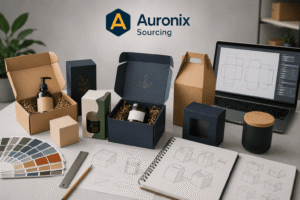
Why Packaging Design Matters
Good packaging does more than protect your product.
It helps:
- Build brand recognition
- Create a professional image
- Improve customer experience
- Protect products during shipping
- Increase perceived product value
- Encourage repeat purchases
Thoughtful packaging can become a valuable part of your overall marketing strategy.
1. Understand Your Target Audience
Your packaging should appeal to the customers you want to reach.
Consider:
- Age group
- Lifestyle
- Shopping habits
- Product expectations
- Brand positioning
For example, luxury products often use premium finishes and minimalist designs, while eco-friendly brands may prefer recyclable materials and natural colors.
2. Keep Your Branding Consistent
Packaging should match your overall brand identity.
Include consistent:
- Logo
- Brand colors
- Typography
- Design style
- Brand message
Consistent branding makes your products more recognizable and builds customer trust.
3. Choose the Right Packaging Material
Select materials based on your product and shipping requirements.
Common options include:
- Cardboard boxes
- Corrugated cartons
- Kraft paper
- Rigid gift boxes
- Plastic packaging
- Fabric bags
- Protective foam inserts
The right material should protect the product while supporting your brand image.
4. Focus on Product Protection
Attractive packaging is important, but protection is essential.
Consider:
- Shock resistance
- Moisture protection
- Scratch prevention
- Secure product positioning
- Protective inserts
Proper packaging reduces the risk of damage during transportation and storage.
5. Keep the Design Simple and Professional
Avoid overcrowding your packaging with excessive graphics or text.
A clean design should include:
- Product name
- Brand logo
- Key product features
- Essential information
- Contact details (if appropriate)
Simple, well-organized packaging often looks more premium and is easier for customers to understand.
6. Use High-Quality Printing
Professional printing improves the appearance of your packaging.
Popular printing options include:
- Offset printing
- Digital printing
- UV printing
- Foil stamping
- Embossing
- Spot UV finishes
Choose printing techniques that complement your brand and budget.
7. Select Colors Carefully
Color influences how customers perceive your product.
Consider colors that reflect your brand identity while maintaining good readability.
For example:
- Black often conveys luxury.
- Blue suggests trust and reliability.
- Green is commonly associated with sustainability.
- White creates a clean and modern appearance.
Maintain consistency across all product lines whenever possible.
8. Design for Functionality
Packaging should be convenient for both shipping and customers.
Consider:
- Easy opening
- Secure closing
- Compact size
- Efficient storage
- Convenient handling
Functional packaging improves the overall customer experience.
9. Include Important Product Information
Ensure your packaging contains all necessary information.
This may include:
- Product name
- Brand name
- Product specifications
- Instructions for use
- Safety information (where applicable)
- Barcode
- Batch number
- Country of origin
Verify any regulatory labeling requirements for your target market.
10. Consider Sustainability
Many customers value environmentally responsible packaging.
Possible options include:
- Recyclable materials
- Reusable packaging
- Biodegradable materials
- Reduced plastic usage
- Minimal packaging design
Sustainable packaging can strengthen your brand image and reduce environmental impact.
11. Test Your Packaging
Before mass production, evaluate packaging performance.
Test for:
- Shipping durability
- Product protection
- Print quality
- Color accuracy
- Assembly quality
- Customer usability
Testing helps identify improvements before full-scale production.
12. Balance Quality and Cost
Premium packaging should support your product without unnecessarily increasing costs.
Compare:
- Material options
- Printing methods
- Box sizes
- Production quantities
- Shipping impact
Well-designed packaging delivers value while staying within your budget.
Common Packaging Design Mistakes
Many businesses encounter problems because they:
- Use oversized packaging
- Choose weak materials
- Ignore shipping requirements
- Inconsistent branding
- Include too much text
- Skip packaging testing
- Focus only on appearance instead of functionality
Avoiding these mistakes helps create packaging that is both attractive and practical.
Why Work with Auronix Sourcing?
Developing professional packaging requires coordination between designers, manufacturers, and logistics providers.
At Auronix Sourcing, we help businesses create packaging that protects products, reflects their brand identity, and supports efficient international shipping.
Our services include:
- Product sourcing
- Supplier verification
- Factory audits
- Packaging development
- Custom packaging solutions
- Private label manufacturing
- Sample management
- Production monitoring
- Quality inspections
- Packaging verification
- Freight coordination
- Air freight
- Sea freight
- Door-to-door logistics
Our experienced sourcing team works directly with trusted Chinese manufacturers to deliver high-quality packaging solutions that meet international standards and enhance your brand.
Best Practices for Packaging Design
For successful packaging development:
- Understand your target audience.
- Maintain consistent branding.
- Choose durable packaging materials.
- Prioritize product protection.
- Keep designs clean and professional.
- Use high-quality printing.
- Test packaging before production.
- Consider sustainable materials where practical.
Following these best practices helps create packaging that protects your products while strengthening your brand image.
Conclusion
Packaging is an essential part of your product, not just an afterthought. Effective packaging protects products, communicates your brand identity, enhances the customer experience, and increases the perceived value of your offerings. By combining thoughtful design, durable materials, consistent branding, and practical functionality, businesses can create packaging that supports both marketing and logistics goals.
With careful planning and the right manufacturing partner, your packaging can become a powerful competitive advantage. Investing in quality packaging today helps build stronger customer relationships and long-term brand recognition.
With Auronix Sourcing as your trusted sourcing partner, you receive complete support in custom packaging development, supplier verification, factory audits, private label manufacturing, quality inspections, packaging solutions, and international shipping—helping your business deliver products that look professional, arrive safely, and leave a lasting impression.